
Saffron isn’t just a spice — it’s nature’s golden thread of calm and clarity. Backed by modern research, it supports mood, memory, and radiant skin …
🌸 The Golden Thread: Why Saffron Deserves a Place in Your Daily Ritual
The Art of Traveling Well – With Children

Saffron isn’t just a spice — it’s nature’s golden thread of calm and clarity. Backed by modern research, it supports mood, memory, and radiant skin …
🌸 The Golden Thread: Why Saffron Deserves a Place in Your Daily Ritual


Homeschooling families are always looking for innovative ways to blend science, technology, engineering, arts, and math—especially in 2025, when STEAM education continues to lead the way! This fun and engaging lesson encourages your kids to think critically, get hands-on experience, and unleash their creativity—all from the comfort of your home or micro school.
Why STEAM?
STEAM challenges help children develop problem-solving skills, creativity, and a love for learning, which are essential for future success. Plus, these activities involve practical, real-world applications, making homework more exciting and meaningful.

Lesson Activities





Discover how today’s parents are using AI tools like ChatGPT to guide learning, boost focus, and turn homework time into a calm, confidence-building …
Smarter Than a Tutor: How Parents Use AI to Make Homework Simple and Stress-Free

There are ski trips, and then there’s St. Moritz—the birthplace of alpine glamour and one of the most refined destinations in Europe. For families … …
A Glamorous Family Winter: Flying from Miami to St. Moritz, Switzerland

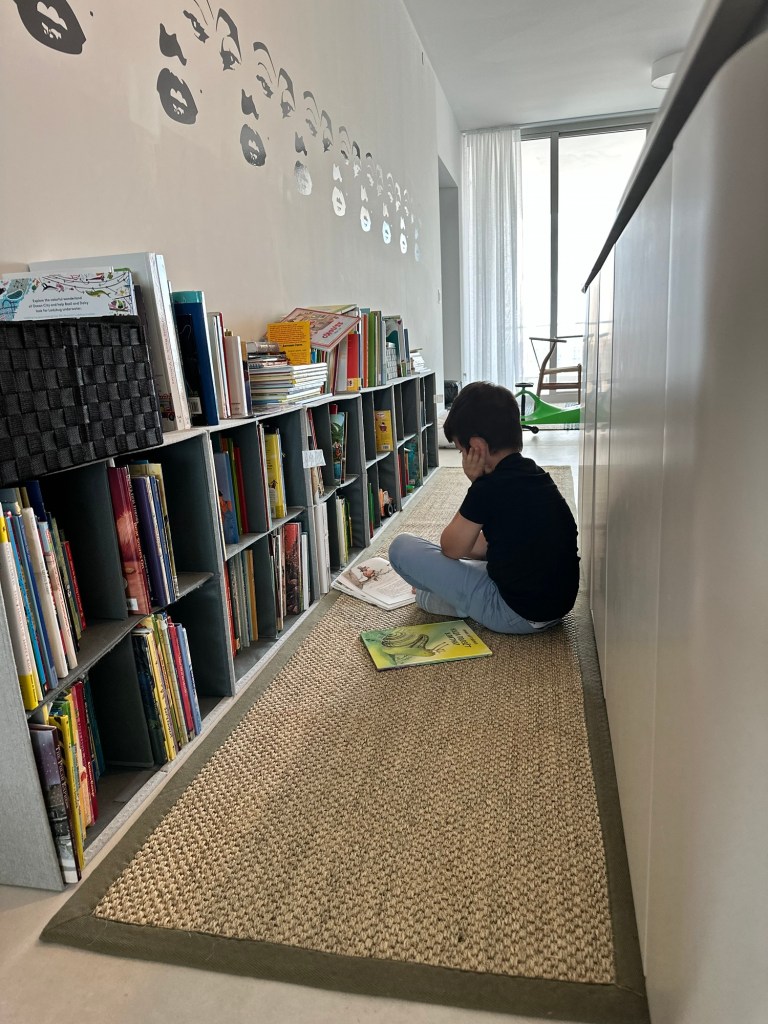
In a world filled with screens and endless scrolling, it’s easy to forget that every imagination begins with a story. No matter how digital life becomes, one of the greatest gifts we can give our children is the love of reading.
When my son was born, I began reading to him right away — gentle stories filled with love, faith, and kindness. By age three, he was already recognizing words in one language, and a few months later, in another. I’ll never forget the day he stopped me mid-story and said, “Mom, that’s not the word in the book.” That was the moment I knew reading had already become his world.
Today, he has a personal library of more than 2,000 books, and I’m proud to say reading is still his favorite way to spend time.

❤️ How to Inspire a Love for Books in Your Child
1️⃣ Start early — even with your baby
Read out loud from the moment they’re born. Your voice becomes the rhythm they associate with comfort and warmth.
Read as if you were on stage — change your voice for each character, use intonation, add expression and fun. Babies and young children adore storytelling that feels alive and musical.
I miss those days — now my son loves to read on his own. But sometimes, we still read together, taking turns with the characters and laughing as we create new voices. The bond you build through reading together is truly unbreakable — it becomes a memory they’ll carry forever.

2️⃣ Choose stories that speak to the heart
Look for books about friendship, courage, faith, and kindness. Choose picture books with bright, soothing colors that are pleasant for the eyes. Young readers are drawn to gentle illustrations and cheerful scenes.
3️⃣ Add sensory books
Babies and toddlers love to touch and feel. Books with textures — soft fur, shiny pages, or bumpy surfaces — make reading a full-body experience and help them engage through all senses.
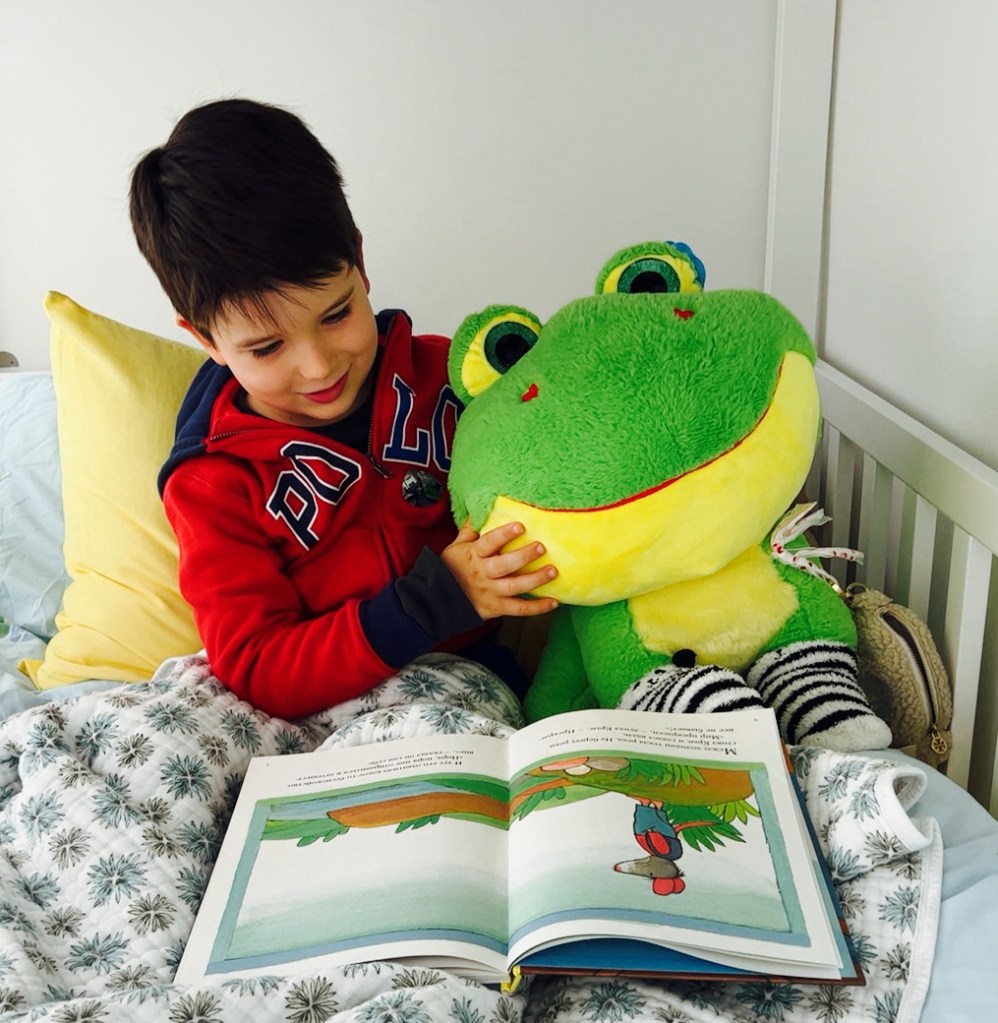
4️⃣ Keep books within reach
Place them everywhere: on coffee tables, in bedrooms, in the car, even near the dining table. When books are always visible, reading becomes part of everyday life.
5️⃣ Read anytime, anywhere
During meals, before bedtime, while waiting in line — any moment can become reading time. It’s not about how long you read but how often you share that moment together.
6️⃣ Follow your child’s interests
Choose stories about what your child already loves — their favorite toys, foods, adventures, or hobbies. When they see their passions on the page, they feel understood and excited to explore more.
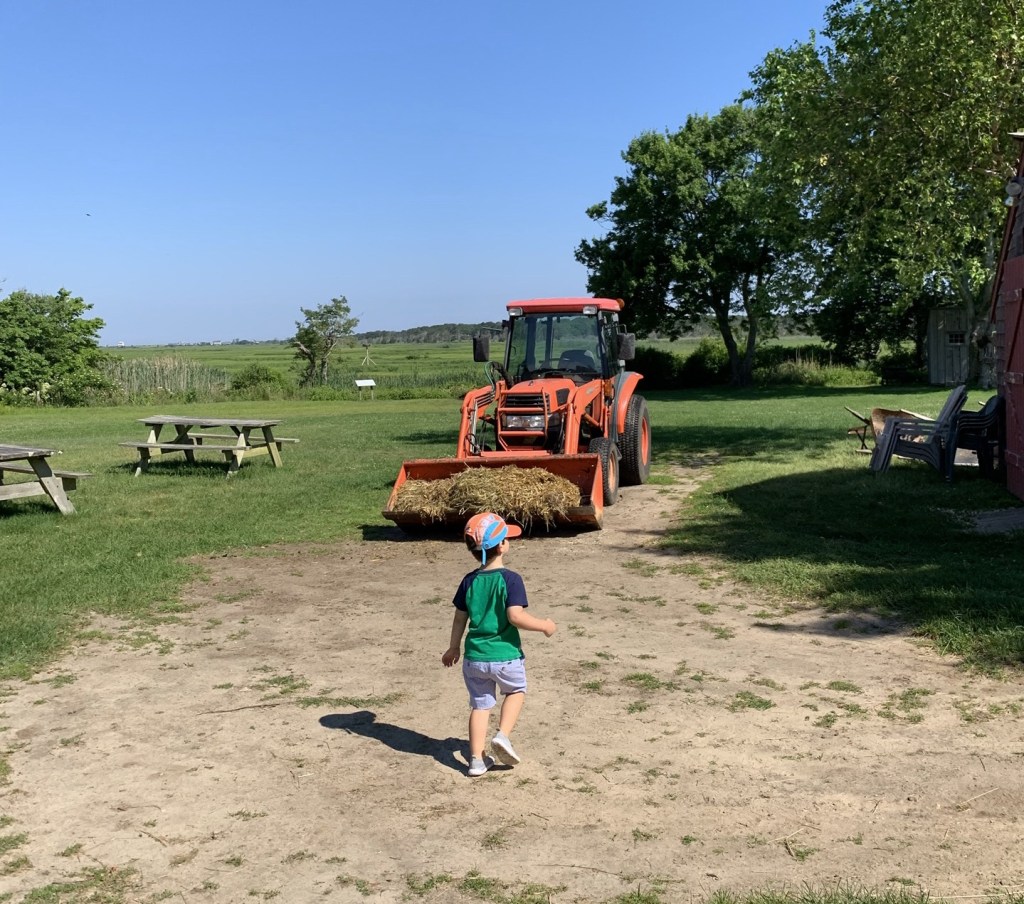
My son has always been fascinated by tractors. I searched for every tractor-themed story I could find, and soon we had a whole “tractor shelf” in our library. He learned new words through something he adored — and reading became pure joy.
🌟 Our Reading System — What Really Worked for Us
Over time, I developed a simple, gentle system that helped my son learn to read in English naturally — without pressure or screens. It’s based on interest, repetition, and emotional connection.
Start with topics they already love — even something unexpected like tractors or dinosaurs. Read the same book many times. Familiarity helps recognition and builds confidence. Encourage them to “read” by describing pictures or finishing sentences. Celebrate effort over accuracy. Each attempt is a step closer to fluency.
Reading should never feel like homework. It should feel like home — cozy, safe, and full of discovery.
🚜 Our Favorite Tractor Books
Here are a few of our tractor stories that started it all — bright illustrations, kind stories, and wheels turning on every page:
Goodnight Tractor (Ages 1–4) – A sweet bedtime story; we still say goodnight to every tractor.
That’s Not My Tractor (Ages 0–2) – Perfect first touch-and-feel book for babies.
Chug, Chug Tractor (Ages 2–5) – Sounds, flaps, and surprises — always makes us smile.
I Am a Tractor (Ages 2–5)
Shaped like a real tractor and perfect for small hands.
Ten Little Tractors (Ages 2–5)
Counting fun with bright illustrations and friendly faces.
Speedy Wheels (Ages 1–4)
Comes with rolling wheels — ideal for playful storytime.
John Deere: How Tractors Work (Ages 3–6)
Shows what’s inside a tractor — perfect for curious minds.
Where’s the Tractor? (Ages 0–3)
Lift-the-flap fun that keeps little readers guessing and giggling.
View our full list of Tractor 🚜 Books 📕

💛 Final Thought
If you fill your home with stories your child loves, you’re already raising a lifelong reader. Books become part of their childhood memories — cozy afternoons, bedtime giggles, quiet moments shared side by side. The titles may change, but the feeling stays forever.
Read with love, with curiosity, and with joy. One story at a time, you’re not just teaching them to read — you’re showing them how to see the world with wonder.
Why Thanksgiving Here Feels Special When school pauses for Thanksgiving break, there’s no better place to slow down and reconnect than Palmetto Bluff…
🌿 Thanksgiving Escape to Montage Palmetto Bluff

There are ski trips, and then there’s St. Moritz—the birthplace of alpine glamour and one of the most refined destinations in Europe. For families …
A Glamorous Family Winter: Flying from Miami to St. Moritz, Switzerland

Discover the magic of the Dolomites with Sensitive Jetsetters — luxury ski resorts, cozy family hotels, and Italian charm that make winter travel …
❄️ Next Stop: The Dolomites, Italy 🇮🇹

If you’re a busy mom like me, these 5 Amazon finds with AI just made our homework time so much easier.
5 Amazon AI Tools That Help Moms Take the Stress Out of Homework

5 Educational Amazon Finds That Teach Kids Through Play — No Screen Battles Required
5 Educational Amazon Finds That Keep Kids Learning While You Cook Dinner

 Sensitive JetSetters